Tonjo Typeface: Bold, Vintage Design for Impactful Visuals
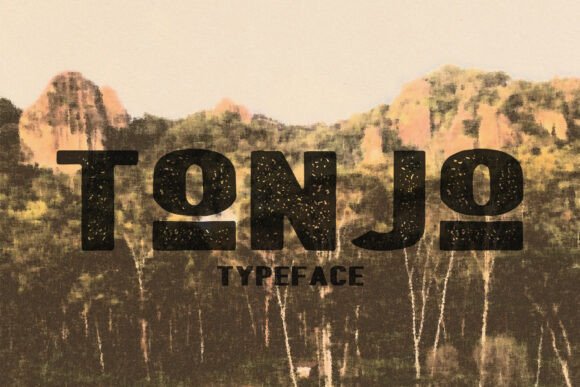
When it comes to making a visual statement, typography plays a crucial role. Tonjo, a bold and characterful vintage typeface, stands out for its strong geometric shapes and textured, stencil-like finish. Whether you're designing a poster, branding for a product, or even a t-shirt, Tonjo brings a unique blend of authority and authenticity that's hard to replicate with other fonts.
Understanding the Look and Feel of Tonjo
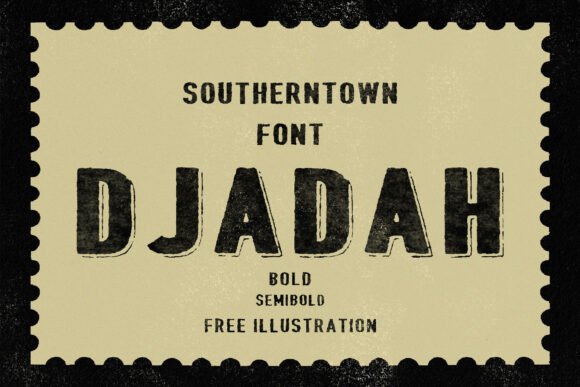
Tonjo is designed with full capital letters and matching numbers, giving it a uniform and commanding presence. Each character is bold and solid, with a handcrafted texture that mimics screen printing or stencil work. This design choice gives Tonjo its unmistakable retro aesthetic, making it ideal for projects that need a rugged, vintage touch.
Unlike modern, sleek fonts that prioritize minimalism, Tonjo embraces imperfection. The rough edges and textured strokes add a sense of realism and history to any design. It's not just a font—it's a stylistic choice that communicates strength, authenticity, and a nod to the past.
When and Where to Use Tonjo Typeface
Because of its bold and masculine appearance, Tonjo works best in designs that want to convey confidence and character. Here are some common use cases where Tonjo shines:
- Vintage posters: Whether it's for a concert, event, or motivational print, Tonjo adds a retro flair that grabs attention.
- Album covers: Musicians looking to evoke a sense of nostalgia or raw energy often use Tonjo to match the mood of their music.
- Liquor branding: From whiskey to craft beer, Tonjo's rugged look complements the mature, bold branding often associated with premium spirits.
- Streetwear designs: T-shirt designers use Tonjo to create bold graphics that stand out in urban fashion culture.
- Editorial layouts: Magazines or zines aiming for a gritty, editorial aesthetic often incorporate Tonjo for headlines or feature titles.
Who Benefits Most from Using Tonjo?
Tonjo appeals to a wide range of creators and professionals. Here's how different users can benefit from incorporating it into their work:
- Graphic designers: For those working on retro-themed projects, Tonjo offers a quick way to inject character without overcomplicating the design.
- Brand owners: Entrepreneurs launching vintage-style products—like boutique spirits or artisanal goods—can use Tonjo to reinforce their brand identity.
- Content creators: Bloggers and YouTubers who create retro or edgy content can use Tonjo in thumbnails and promotional materials to maintain a consistent visual tone.
- Educators and publishers: Those working on educational materials or historical publications can use Tonjo to highlight key sections or create engaging covers.
- Hobbyists: DIY enthusiasts creating custom t-shirts, posters, or handmade goods can use Tonjo to elevate their personal projects with a professional touch.
Real-World Scenarios Featuring Tonjo
Let’s look at a few examples of how Tonjo can be used effectively in everyday design situations:
- A craft distillery branding its new bourbon line: The owner chooses Tonjo for the label text to evoke a sense of tradition and rugged authenticity. The textured look mimics old-time printing methods, making the bottle feel like a classic find.
- A freelance designer creating a gig poster for a punk band: They use Tonjo for the band name to match the raw energy of the music. The font’s stencil-like texture enhances the underground vibe of the event.
- A streetwear brand launching a limited-edition hoodie: The designer uses Tonjo for the chest print to create a bold, eye-catching design that aligns with the brand’s urban aesthetic.
- A history teacher designing a classroom poster: To make a World War II timeline more engaging, they use Tonjo for the headline to reflect the era’s visual style, making the lesson more immersive.
Things to Consider Before Using Tonjo
While Tonjo is powerful and versatile, it's not a one-size-fits-all solution. Here are a few things to keep in mind before using it in your design:
- Readability: Because of its textured and bold nature, Tonjo works best at larger sizes. Avoid using it for long paragraphs or small text where clarity is key.
- Design context: Tonjo naturally evokes a specific era and mood. Make sure it aligns with the overall tone of your project—this font may not suit minimalist or futuristic designs.
- Licensing: If you're using Tonjo for commercial work, check the licensing terms. Some versions may require a paid license for professional use.
- Pairing with other fonts: Tonjo is best used as a headline or accent font. Pair it with clean sans-serif or serif fonts to balance the design and maintain visual harmony.
How Tonjo Enhances Visual Communication
Typography isn't just about aesthetics—it's about communication. Tonjo communicates strength, history, and authenticity in a way that few other fonts can. Its bold structure commands attention, while the textured finish adds depth and character. Whether you're designing for print or digital, Tonjo helps you create visuals that resonate emotionally with your audience.
For example, a streetwear brand using Tonjo on a t-shirt isn't just choosing a font—it's making a statement about identity and attitude. A vintage poster using Tonjo doesn't just inform about an event—it transports the viewer to a different time.
Getting Started with Tonjo
If you're ready to try Tonjo in your next project, start by downloading a version from a reputable font platform. Many sites offer free trials or demo versions so you can test how it looks in your design before committing. Once installed, experiment with it in different contexts—headline text, logo elements, or even as a background texture.
Remember, the goal is not just to use Tonjo, but to use it effectively. Think about how it fits within your overall design, and don’t be afraid to adjust spacing, color, or layout to make it work best for your specific use case.