Djadah: A Bold Typeface for Authentic Design Expression
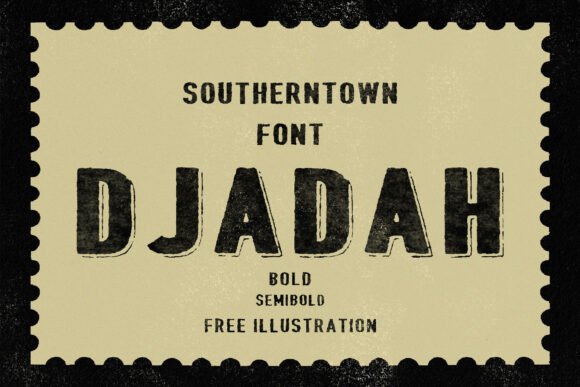
When it comes to crafting a design that stands out with character and authenticity, the choice of typography can make all the difference. Djadah is a retro-style typeface that captures the essence of classic southern design with its bold presence and textured finish. Whether you're working on branding, packaging, or event posters, Djadah brings a nostalgic edge that feels both timeless and contemporary.
Why Djadah Stands Out in Modern Design
Typography isn't just about readability—it's about mood, identity, and storytelling. Djadah delivers a strong visual impact with its bold and semibold weights, each enhanced by distressed textures that mimic vintage screen printing effects. These characteristics make it ideal for projects that require a sense of history and rugged authenticity.
Designers who work in branding or visual storytelling often seek fonts that communicate more than just words. Djadah’s distinctive character allows it to function as a design element in itself, reducing the need for additional graphics or textures. This can streamline the creative process, especially when time and simplicity are key.
Practical Applications for Djadah
One of the most compelling aspects of Djadah is its versatility across different design contexts. Here are some real-world applications where Djadah excels:
- Music Posters: The bold, expressive nature of Djadah makes it a natural fit for gig posters, especially in genres like rock, blues, and country where a vintage aesthetic resonates.
- Branding and Logos: Businesses aiming for a strong, memorable identity can benefit from Djadah's commanding presence. It works particularly well for brands rooted in tradition or with a rustic appeal.
- Packaging Design: From beverage labels to artisanal product packaging, Djadah adds a handcrafted, nostalgic touch that appeals to consumers seeking authenticity.
- Western and Americana Themes: Djadah supports modern Western aesthetics with its bold structure and vintage texture, making it a go-to for themed designs that need to feel grounded and genuine.
How Djadah Enhances Creative Workflow
For creatives working under tight deadlines, choosing the right font early in the process can save time and reduce revisions. Djadah’s strong visual identity often eliminates the need for excessive layering or decorative embellishments, allowing designers to focus on composition and message clarity.
Additionally, because Djadah comes in both Bold and Semibold versions, users have flexibility without sacrificing style. The Bold weight commands attention in headlines and titles, while Semibold offers a slightly more subdued option for subheadings or supporting text.
Its textured finish also means that Djadah integrates well with other vintage-style assets, such as scanned paper textures or hand-drawn illustrations. This compatibility can help maintain a cohesive aesthetic without requiring complex adjustments.
Who Benefits Most from Using Djadah
While Djadah is a powerful tool for any designer, it particularly benefits those working in specific niches:
- Independent Musicians and Promoters: Those creating their own promotional materials can use Djadah to achieve a professional, high-impact look without relying on complex design software or skills.
- Small Business Owners: Entrepreneurs launching a new brand or product line can use Djadah to establish a strong visual identity that resonates with customers seeking authenticity.
- Graphic Designers: Freelancers and in-house designers can streamline their workflow by using Djadah as a central design element that requires minimal supporting graphics.
- Content Creators: Bloggers and YouTubers producing niche content around retro culture, Americana, or vintage aesthetics can use Djadah to reinforce their brand voice visually.
When to Consider Alternatives
While Djadah is a powerful typeface, it’s not a one-size-fits-all solution. Its distressed appearance and bold nature make it less suitable for clean, minimalist designs or formal corporate branding. In such cases, a more neutral or refined font may be more appropriate.
It’s also important to consider readability, especially when using Djadah at smaller sizes or in long-form text. Because of its textured edges and heavy weight, it performs best in short bursts—headlines, titles, and short captions—rather than extended body copy.
Before finalizing your choice, always test Djadah in the context of your full design. Compare it with alternatives to ensure it aligns not only with your aesthetic goals but also with your project’s functional needs.
Tips for Using Djadah Effectively
To get the most out of Djadah, consider these practical tips:
- Pair with Clean Fonts: Balance Djadah’s bold presence by pairing it with a clean sans-serif or minimalist serif for body text or supporting elements.
- Use in High-Contrast Layouts: Djadah works best when given visual space. Avoid overcrowding the design to let its character shine through.
- Experiment with Color: While black and white often highlight Djadah’s vintage texture best, try using it in earthy tones like rust, denim blue, or aged cream for added thematic depth.
- Test Across Media: If your design will be printed or used on different digital platforms, preview Djadah in each context to ensure consistency and legibility.
Final Thoughts on Djadah
In a design landscape where authenticity and personality are increasingly valued, Djadah offers a compelling solution for those who want to make a visual statement without overcomplicating their process. Its bold presence, vintage charm, and adaptability across multiple applications make it a valuable addition to any designer’s toolkit.
Whether you're launching a new brand, designing a music poster, or crafting packaging that stands out, Djadah can help you convey strength, nostalgia, and creativity—all in a single typeface.