Jelly Wobble: The Friendly Font That Brings Personality to Every Project
If you’ve ever looked at a design and thought, “This needs more charm,” you might be in the market for Jelly Wobble. It’s a display font that feels like a warm hug from your childhood best friend—playful, approachable, and just a little bit bouncy. While it might not be the right fit for legal documents or formal reports, Jelly Wobble shines in creative and casual spaces where personality matters as much as clarity.
What Makes Jelly Wobble Stand Out?
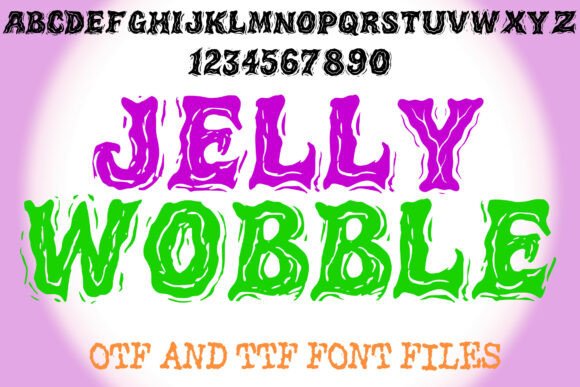
Jelly Wobble isn’t your average font. It’s designed with a soft, slightly uneven baseline that mimics handwriting or the gentle squish of a jelly dessert. The rounded edges and exaggerated curves give it a whimsical appearance that’s easy on the eyes and hard to ignore. It’s the kind of font that makes you smile before you even read the words.
Because of its playful nature, Jelly Wobble is best used when the goal is to evoke warmth, fun, or a sense of nostalgia. It works especially well in design contexts that target younger audiences or aim to feel less formal.
When to Use Jelly Wobble
Let’s break down some real-world situations where Jelly Wobble can be a game-changer:
1. Crafting and DIY Projects
If you’re into scrapbooking, handmade cards, or personalized gift tags, Jelly Wobble brings a handmade feel without the mess of actual ink or paint. You can easily use it in digital design software to create labels, quotes, or decorative headers that feel custom and personal.
For example, a birthday card for a child might include the phrase “You’re Wobbly Awesome!” in Jelly Wobble. It’s cute, legible, and adds a touch of humor that a standard font wouldn’t.
2. Social Media Graphics and Posts
Instagram stories, Facebook posts, and Pinterest pins thrive on visual appeal. Jelly Wobble adds a handcrafted charm that makes your content feel more approachable and less corporate. Whether you’re promoting a sale for your small business or sharing a quote about self-care, this font helps your message feel more personable.
Try using it for short captions or callouts in your Canva or Adobe Express designs. It pairs well with pastel backgrounds and playful illustrations.
3. Educational and Children’s Materials
Teachers and educators often look for ways to make learning more engaging. Jelly Wobble can be a great fit for digital worksheets, flashcards, or classroom posters. Its soft, friendly appearance makes it less intimidating for young readers and helps create a positive learning environment.
For instance, a kindergarten teacher might use Jelly Wobble in a PowerPoint slide to introduce a new letter of the week. The font’s childlike appearance supports the playful tone of early education.
4. Branding for Family-Friendly Businesses
Businesses targeting families, kids, or lifestyle niches like toys, crafts, or baby products can benefit from using Jelly Wobble in their branding. It can appear in logos, packaging, or website headers to reinforce a brand’s fun and approachable identity.
Imagine a boutique that sells handmade baby clothes using Jelly Wobble on its tags or thank-you cards. It creates a consistent, memorable visual identity that aligns with the brand’s tone.
Who Benefits Most from Jelly Wobble?
Jelly Wobble isn’t just for designers—it’s a versatile tool for anyone looking to add warmth and personality to their visual communication:
- Small business owners: Especially those in creative or child-centered industries can use it to stand out in a sea of sterile fonts.
- Content creators: Influencers, YouTubers, and bloggers often use it to make their graphics feel more personal and relatable.
- Event planners: From baby showers to birthday parties, Jelly Wobble gives invitations and decorations a playful edge.
- Artists and crafters: Whether you’re making stickers, prints, or T-shirts, this font can elevate your DIY projects with minimal effort.
Things to Consider Before Using Jelly Wobble
While Jelly Wobble has a lot going for it, it’s not a one-size-fits-all solution. Here are a few practical considerations to keep in mind:
Readability Matters
Jelly Wobble is best suited for short text blocks like headlines, titles, or short captions. Its rounded, bouncy style can make longer paragraphs harder to read. If you’re designing a poster or digital banner, use it for the main message and pair it with a simpler font for supporting text.
Match the Tone of Your Project
Because of its playful appearance, Jelly Wobble may not be appropriate for formal or professional settings. If you’re designing a financial report or a medical brochure, it’s best to stick with more traditional fonts like Arial or Helvetica.
Check Licensing Before You Download
Not all fonts are free for commercial use. Make sure you’re downloading Jelly Wobble from a reputable source and that you understand the licensing terms. Some versions may require a small fee for use in business materials or print-on-demand products.
Pair It Wisely
Font pairing is key to good design. If you’re using Jelly Wobble as your main font, balance it with something clean and simple like Open Sans or Montserrat for body text. This contrast helps maintain visual harmony and readability.
How to Get Started with Jelly Wobble
You don’t need to be a graphic design pro to use Jelly Wobble. Most modern design tools—including Canva, Photoshop, Illustrator, and Google Slides—support custom font uploads. Simply download the font file (usually in .ttf or .otf format), install it on your computer, and start using it in your favorite software.
Many online font libraries offer free and premium versions of Jelly Wobble. Some even provide previews so you can see how it looks in different contexts before downloading. A quick search for “Jelly Wobble font free download” will give you plenty of options to explore.
Final Thoughts
Jelly Wobble isn’t just another font—it’s a design tool that brings joy, warmth, and personality to your creative work. Whether you’re making a birthday card, designing a social media post, or branding a small business, this font has the potential to become your go-to choice for projects that need a little extra charm.
Just remember to use it thoughtfully. Match it to the right tone, pair it with readable fonts, and keep your audience in mind. When used well, Jelly Wobble doesn’t just say something—it says it with a smile.