Hatehly: A Bold Typeface for Striking Designs
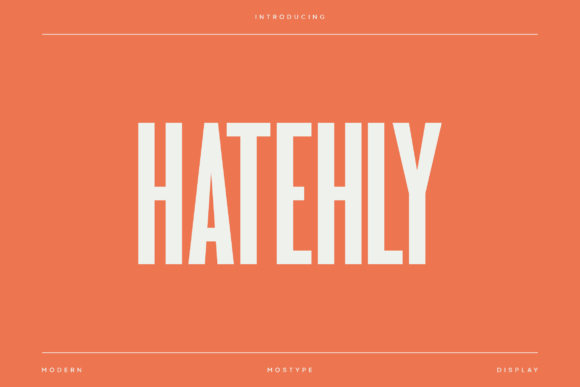
Hatehly is a gothic condensed font that brings a gritty, powerful aesthetic to visual projects. Its narrow, intense letterforms make it ideal for designs that demand attention without taking up much space. Whether used in branding, editorial layouts, or digital graphics, Hatehly stands out with a bold presence that’s both modern and edgy.
Why Designers Choose Hatehly
Graphic designers often look for typefaces that can carry visual weight while maintaining clarity. Hatehly delivers with its high contrast and tight spacing, making it perfect for headlines, posters, and logotypes. Its grunge-inspired style adds texture and emotion to compositions, especially in music, fashion, or alternative culture branding.
For experienced designers, Hatehly isn’t just about looks—it’s about efficiency. The font’s strong character allows for minimal use of supporting graphics, which can streamline production time and reduce visual clutter. It also pairs well with clean sans-serif fonts, creating a dynamic hierarchy in multi-layered designs.
Beginners and the Accessibility of Hatehly
If you're just starting out in design, Hatehly can be an exciting typeface to experiment with. Its strong visual identity can elevate even basic projects, helping beginners understand the power of typography early on. While it may not be suitable for long-form text, it teaches the importance of choosing the right font for the right context.
- Use Hatehly for project titles or logos to create instant impact
- Pair it with simpler fonts to balance the overall layout
- Experiment with spacing and color to enhance its bold character
Entrepreneurs and Marketers: Branding with Hatehly
For small business owners and marketers, visual identity is key. Hatehly can be a strong contender for brands that want to communicate strength, rebellion, or urban edge. It works especially well for niche markets like streetwear, independent music labels, or underground events.
When used strategically, Hatehly can differentiate a brand from more traditional competitors. However, it's important to align the font choice with your audience’s expectations. A luxury brand might not benefit from Hatehly’s grunge aesthetic, but a boutique skate shop or a punk-themed bar would find it a perfect match.
Educators and Students: Teaching Typography with Impact
In design education, exposure to expressive fonts like Hatehly helps students understand how typography influences mood and perception. Educators can use Hatehly as a case study to explore the relationship between font style and cultural context.
- Show how Hatehly fits into alternative design genres
- Demonstrate its use in print and digital media
- Compare it with other condensed or gothic fonts to highlight design choices
Students can learn to appreciate the font’s structure and how its condensed form affects readability and layout composition. It’s a great tool for teaching the balance between aesthetics and function.
Creatives and Makers: Hatehly in Art and DIY Projects
Hobbyists and independent creators often look for unique design elements to make their work stand out. Hatehly’s bold, narrow shape makes it a favorite among those crafting posters, zines, or custom apparel. It adds a raw, hand-done feel without requiring advanced design skills.
For example, a handmade jewelry seller might use Hatehly in packaging labels to convey a sense of artisanal edge. A DIY zine creator could use it for section headers to give the publication a gritty, underground vibe. In both cases, the font becomes part of the creative identity, not just a design choice.
Professionals and Long-Term Use of Hatehly
Design professionals often consider the longevity and versatility of a font. Hatehly shines in projects that require strong visual identity without sacrificing legibility. Its condensed nature makes it ideal for space-constrained layouts such as mobile banners, magazine covers, or app icons.
While it may not be a go-to font for every project, Hatehly has a strong niche presence. Designers who work in urban or youth culture branding will find it a reliable asset in their toolkit. It’s also worth noting that Hatehly performs well in both print and screen environments, which is crucial for multi-platform branding.
Consumers and the Visual Appeal of Hatehly
Even if you’re not a designer, you’ve likely seen Hatehly in use—on album covers, in fashion ads, or in social media graphics. Its striking appearance makes it memorable and visually engaging. Consumers who appreciate alternative aesthetics might find themselves drawn to products or brands that use Hatehly, even if they don’t recognize the font by name.
From a consumer perspective, fonts like Hatehly contribute to the emotional experience of a brand or product. They help create a visual language that feels authentic and expressive. Whether it’s a t-shirt, a book cover, or a digital poster, the use of Hatehly can influence purchasing decisions and brand loyalty.
When Hatehly Might Not Be the Right Choice
Despite its strengths, Hatehly isn’t suitable for every design scenario. It’s not recommended for long paragraphs or formal documents due to its condensed structure and stylistic nature. Additionally, some audiences may perceive it as too aggressive or niche, which could clash with more traditional or minimalist branding efforts.
If your project requires readability over impact, or if you're targeting a conservative or corporate audience, you may want to explore other font options. But if you're aiming for boldness, edge, and memorability, Hatehly deserves serious consideration.
Final Thoughts: Is Hatehly Right for You?
Whether you're a beginner designer, a seasoned professional, a small business owner, or a creative hobbyist, Hatehly offers a unique visual punch that can elevate your work. Its condensed form and gothic style make it versatile for a range of applications, from branding to personal projects.
Consider your project’s tone, audience, and purpose before using Hatehly. If you're aiming for a strong, modern, and slightly rebellious look, this font is a compelling choice. But always test it within your design to ensure it supports your message effectively without overshadowing other elements.