Children Comics: A Creative Tool for Dynamic Typography in Design Workflows
In the world of design and digital creation, typography plays a pivotal role in shaping how audiences perceive and engage with content. One font that has captured the attention of creators across industries is Children Comics — a charming, expressive typeface inspired by the visual language of classic children’s comics. More than just a stylistic choice, this font serves as a versatile tool within creative workflows, offering a blend of personality, clarity, and adaptability.
Understanding the Role of Children Comics in Design
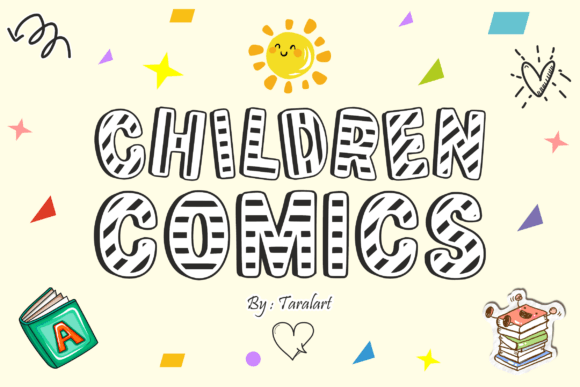
Children Comics is not just a font; it's a design asset that bridges the gap between visual storytelling and functional communication. Its bold, playful characters and hand-drawn aesthetic evoke a sense of nostalgia while maintaining a modern edge. Whether you're working on a comic book layout, an animated storyboard, or branded merchandise, this font adds a layer of warmth and accessibility that resonates with both young and adult audiences.
From a process standpoint, Children Comics integrates seamlessly into the early stages of visual development. Designers often use it during concept ideation to test tone and audience alignment. Its readability at various sizes makes it a strong candidate for mockups, helping creators visualize how text will appear in the final product without committing to a more rigid typeface.
Using Children Comics Across the Creative Lifecycle
The application of Children Comics extends beyond the initial design phase. Here’s how it can be effectively utilized throughout a project’s lifecycle:
- Pre-Production: During brainstorming and wireframing, using Children Comics helps establish a playful or youthful tone early on. This is especially useful in branding exercises for children’s products or educational content.
- Production: In animation or comic development, the font supports consistent character voice and visual continuity. It pairs well with hand-drawn illustrations and vector graphics, enhancing the overall narrative flow.
- Post-Production: For marketing or merchandise, Children Comics shines in promotional materials like posters, t-shirts, and packaging. Its distinct look ensures brand elements remain memorable and cohesive.
Integration with Tools and Platforms
One of the strengths of Children Comics is its compatibility with a wide range of design tools. Whether you're working in Adobe Illustrator, Photoshop, Procreate, or Figma, the font imports easily and retains its visual integrity. It also supports web-safe formats, making it suitable for UI/UX design in web and mobile applications targeting younger demographics.
For teams collaborating on creative projects, consistency is key. Designers can embed Children Comics into shared style guides and asset libraries, ensuring that all contributors use the same typographic standard. This reduces revision cycles and streamlines approval processes, especially when working with clients or stakeholders unfamiliar with design terminology.
Practical Tips for Implementing Children Comics
While Children Comics offers a distinctive visual style, integrating it effectively requires attention to workflow and context. Here are some practical tips to help you make the most of this font:
- Pair with Complementary Fonts: To maintain visual hierarchy, combine Children Comics with clean sans-serif or script fonts. This prevents visual clutter and ensures readability in mixed-content layouts.
- Test Across Mediums: Before finalizing, preview the font in print, digital, and animated formats. This helps identify any scaling or rendering issues, especially on lower-resolution screens.
- Use for Emphasis, Not Excess: Given its expressive nature, Children Comics works best for headlines, captions, and callouts rather than long-form body text. This preserves its impact and prevents visual fatigue.
- Optimize for Branding: If you're using the font for logo design or product packaging, ensure it aligns with your brand’s tone and audience. A playful font like this can reinforce brand personality when used thoughtfully.
Workflow Examples: Real-World Applications
Let’s look at how different professionals can incorporate Children Comics into their daily workflows:
- Illustrators: Use the font to label character sketches or add dialogue bubbles in storyboard drafts. It adds a dynamic layer to visual storytelling without overshadowing the artwork.
- Educators: In educational materials, especially for younger learners, Children Comics enhances readability and engagement. It’s ideal for flashcards, worksheets, and interactive learning apps.
- Merchandise Designers: For custom apparel or novelty items, the font’s bold outlines and clear letterforms make it easy to print and visually appealing.
- Freelance Animators: When designing animated shorts or explainer videos, using Children Comics for titles and credits helps establish a fun, approachable tone from the outset.
Long-Term Considerations and Consistency
As with any design asset, maintaining consistency and long-term usability is crucial. When using Children Comics across multiple projects or over extended periods, consider the following:
- Version Control: Keep a centralized repository of font files and usage guidelines to avoid discrepancies in team settings.
- Licensing: Ensure the font is properly licensed for commercial use, especially when deploying it in client work or mass-produced items.
- Adaptability: Monitor how the font performs as design trends evolve. While Children Comics has a timeless charm, periodic reassessment ensures it remains relevant to your target audience.
Conclusion: Making the Most of a Playful Typeface
Children Comics is more than just a nostalgic nod to classic comic strips — it’s a practical, expressive tool that enhances visual communication across industries. By understanding how to integrate it into your creative process, you can elevate your designs while maintaining clarity and consistency. Whether you're crafting a children’s book, designing a brand identity, or animating a short film, this font offers a unique blend of charm and functionality that fits naturally into modern workflows.