Cherry Bouquet: The Playful Display Font Captivating Design Enthusiasts Across Industries
In the ever-evolving world of typography, where aesthetics and functionality must coexist, Cherry Bouquet has emerged as a standout display font that blends charm, warmth, and professionalism. With its sweet, friendly curves and a whimsical yet refined structure, this font has quickly gained traction among designers, marketers, and creatives who seek to infuse personality into their visual projects without sacrificing legibility or elegance.
What Is Cherry Bouquet?
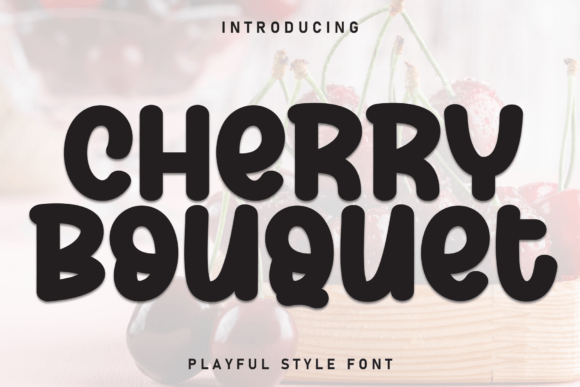
Cherry Bouquet is a handcrafted display font designed to evoke a sense of joy and intimacy. Its soft, rounded edges and delicate ligatures give it a distinctive, handwritten feel that sets it apart from more rigid or formal typefaces. While it exudes playfulness, its design is far from childish — it strikes a careful balance between fun and sophistication, making it a versatile option for a wide range of design applications.
Originally inspired by vintage calligraphy and modern brush scripts, Cherry Bouquet was developed to meet the growing demand for fonts that feel personal yet polished. Whether used in digital media or print, it adds a layer of warmth and approachability that resonates with contemporary audiences.
Why Cherry Bouquet Fits Into Today’s Creative Landscape
The rise of Cherry Bouquet is not an isolated phenomenon. It aligns with broader trends in design, marketing, and consumer behavior that prioritize authenticity, emotional connection, and visual storytelling. As brands and creators strive to stand out in crowded digital spaces, the use of distinctive typography has become a key differentiator.
- Emotional branding: Consumers today are drawn to brands that feel human and relatable. Typography like Cherry Bouquet helps convey warmth and sincerity, especially in niches like lifestyle, wellness, and artisanal products.
- Personalization: In a world saturated with generic design templates, custom or unique fonts allow creators to inject personality into their work. Cherry Bouquet offers a ready-made solution for those who want to appear both professional and personable.
- Visual storytelling: From social media content to packaging design, the way a message is presented visually can determine its impact. The playful yet elegant nature of Cherry Bouquet supports narratives that are heartfelt and memorable.
Who’s Using Cherry Bouquet and Why?
From freelance designers to in-house creative teams, professionals across industries are adopting Cherry Bouquet for its versatility and emotional appeal. Here are a few examples of how it’s being used effectively:
- Wedding and event design: Its romantic, soft curves make it ideal for wedding invitations, thank-you cards, and event signage. It adds a touch of elegance while maintaining a sense of intimacy.
- Branding and packaging: Small businesses, especially in the food, lifestyle, and self-care niches, are using Cherry Bouquet to create packaging that feels handmade and genuine.
- Social media and digital content: Influencers and content creators use the font in Instagram stories, reels, and Canva templates to enhance visual appeal and maintain a consistent, approachable brand voice.
- Marketing and advertising: Marketers looking to create campaigns that feel less “salesy” and more “human” are turning to Cherry Bouquet to soften the tone and increase emotional resonance.
How Cherry Bouquet Meets Evolving Design Needs
Design expectations have shifted dramatically in recent years. Audiences now demand not only visual clarity but also emotional resonance. This evolution has been driven by several factors:
- Increased competition: With more content being produced than ever, standing out visually is essential. Unique fonts like Cherry Bouquet help creators differentiate their work.
- Mobile-first design: On smaller screens, legibility and character are crucial. Cherry Bouquet’s clean yet expressive form ensures it remains readable even at smaller sizes.
- DIY culture: More individuals and small businesses are designing their own materials using platforms like Canva and Adobe Express. Accessible yet high-quality fonts like Cherry Bouquet empower these creators to produce polished work without advanced design skills.
- Preference for authenticity: Consumers are increasingly drawn to brands and creators who feel real and transparent. Typography that feels handcrafted or emotionally expressive supports that perception.
Practical Tips for Using Cherry Bouquet Effectively
While Cherry Bouquet is a powerful design tool, it’s most effective when used thoughtfully. Here are a few practical tips to make the most of this charming font:
- Pair it with a clean sans-serif: To maintain balance, use Cherry Bouquet for headlines or accents and pair it with a minimalist sans-serif for body text.
- Use it for short-form text: As a display font, it shines in titles, logos, and short phrases rather than long paragraphs.
- Experiment with color and texture: Because of its delicate appearance, Cherry Bouquet pairs beautifully with pastel palettes, floral motifs, and soft textures.
- Test for legibility: Always preview how the font looks across different devices and screen sizes, especially if it’s being used in digital content.
Looking Ahead: The Future of Display Typography
The popularity of Cherry Bouquet reflects a larger shift in the design world — a move toward fonts that do more than just convey information. They tell stories, evoke emotions, and build connections. As technology continues to evolve, we can expect to see even more dynamic and expressive typography that adapts to context, audience, and platform.
Designers and developers are already exploring variable fonts, animated typography, and AI-driven type customization. In this landscape, a font like Cherry Bouquet serves as both a current favorite and a harbinger of what’s to come: typography that’s not just functional, but deeply expressive and emotionally intelligent.
Whether you’re a seasoned designer or a small business owner crafting your first logo, Cherry Bouquet offers a compelling way to elevate your visual communication. By tapping into the growing desire for warmth, authenticity, and creativity, it enables you to create designs that not only look good — they feel good too.